Biochange-lab.eu
Bio und Klima Infos
Naturholzmöbel
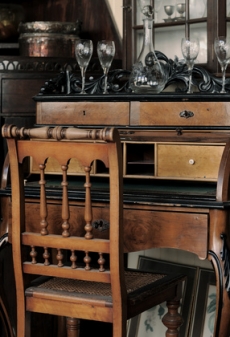
Wenn man ein neues Haus gebaut hat und nun einziehen möchte, steht vor einem die Frage: Wie werden die Räume möbliert? Jeder hat da seine Vorstellung und seinen eigenen Geschmack. Der Besitzer des Hauses muss nun selbst entscheiden. Aber in der letzten Zeit interessieren sich viele Kunden in den Geschäften für Naturholzmöbel. Alles, was mit Natur verbunden ist, hat seine Vorteile. Es entstehen bestimmte Assoziationen, weil das Naturholz ja eigentlich vor kurzer Zeit noch ein Baum war und nun ist es in Form der einzelnen Teile in der Wohnung platziert. Naturholzmöbel verwendet man gern in Landhäusern, und die Einrichtung sieht dann etwas robust aus. Der Kunde kann sich beraten lassen, wenn er überhaupt keine Idee hat, welches Möbel gut in die Wohnung passen würde. Der Fachmann kann sich dann auch vor Ort umschauen und gute Ratschläge geben. Es werden die nötigen Maße aufgeschrieben und beim nächsten Besuch im Geschäft gibt es dann konkrete Vorschläge. Ist doch das gewünschte Naturholzmöbel nicht dabei, kann man es einfach bestellen. In ein paar Wochen kommt dann die Lieferung. Ist zum Beispiel im Schlafzimmer der Schrank, das Bett und Regale aus gleichem Naturmaterial, sieht der ganze Raum einfach bezaubernd aus.
Sehr schön lässt sich mit Naturholzmöbel das Kinderzimmer einrichten. Da steht oft ein Bett mit der angebauten Rutsche. Das erleichtert dem Kleinen das sichere Erreichen des Bodens. Von der anderen Seite befindet sich eine kleine Leiter. Die Kinder nutzen solche Möbelteile sehr gern. Sie können immer wieder auf die Leiter klettern, halten sich ein bisschen auf dem Bett auf und rutschen herunter. Dieses Naturholzmöbel wird mit einem Tuch verschönert. Man befestigt ein Ende an der Decke und lässt es herunterhängen. Für das Kind sieht es aus wie ein Schloss für Prinzessinnen. So wird das Naturholzmöbel auch zum Spielen gebraucht. Die Kinder haben eine reiche Fantasie, sie entwickeln ganze Geschichten und spielen sie gern nach.
Auch im Jugendzimmer sieht das Naturholzmöbel schön aus, und die Jugendlichen halten sich gern in ihrem Raum auf. Der Schrank bietet da genug freien Platz für CDs und DVDs, in den kleineren Fächern kann man Papier aufbewahren. An der Wand bringt man auch noch Regale an, die für Ordner gebraucht werden können.